How Earth’s Surface formed, how humans can still watch it happening, and why it is important to set the record straight.
written by
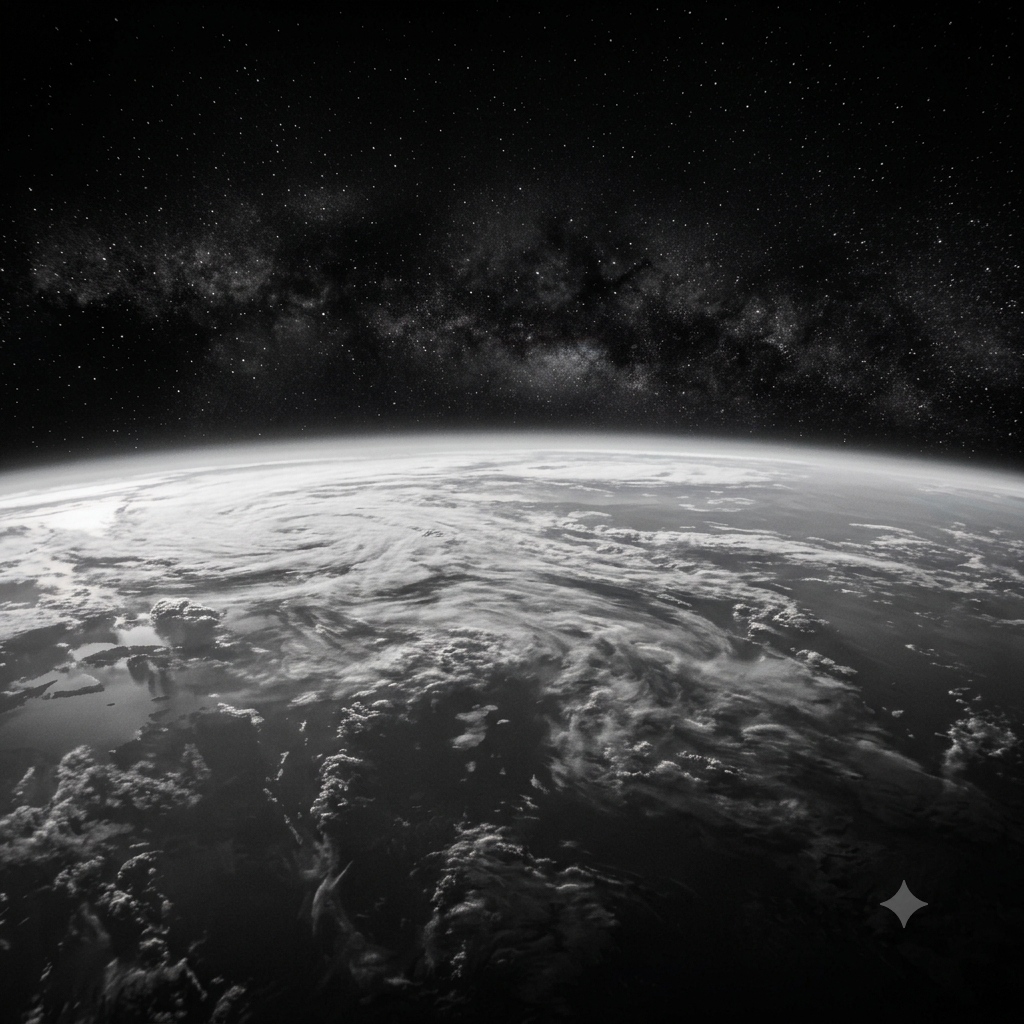
A dynamic fusion of Earth’s solid crust, atmosphere, hydrosphere, and biosphere forms a very, very, very thin layer corresponding to less than 1% of Earth’s total volume – the Surface.
Planet Earth’s Surface is so important that very often, even today, humans refer to it as if they are referring to the whole planet.
Earth’s Surface has an area of around 510,070,000 km²: 361,130,000 km² (70.8%) of water and 148,940,000 km² (29.2%) of land. Its thickness ranges from 105 km to 170 km – 100 km corresponds to the atmosphere, and 5 km to 70 km corresponds to the land. To contextualize, planet Earth’s radius is around 6,371 km.
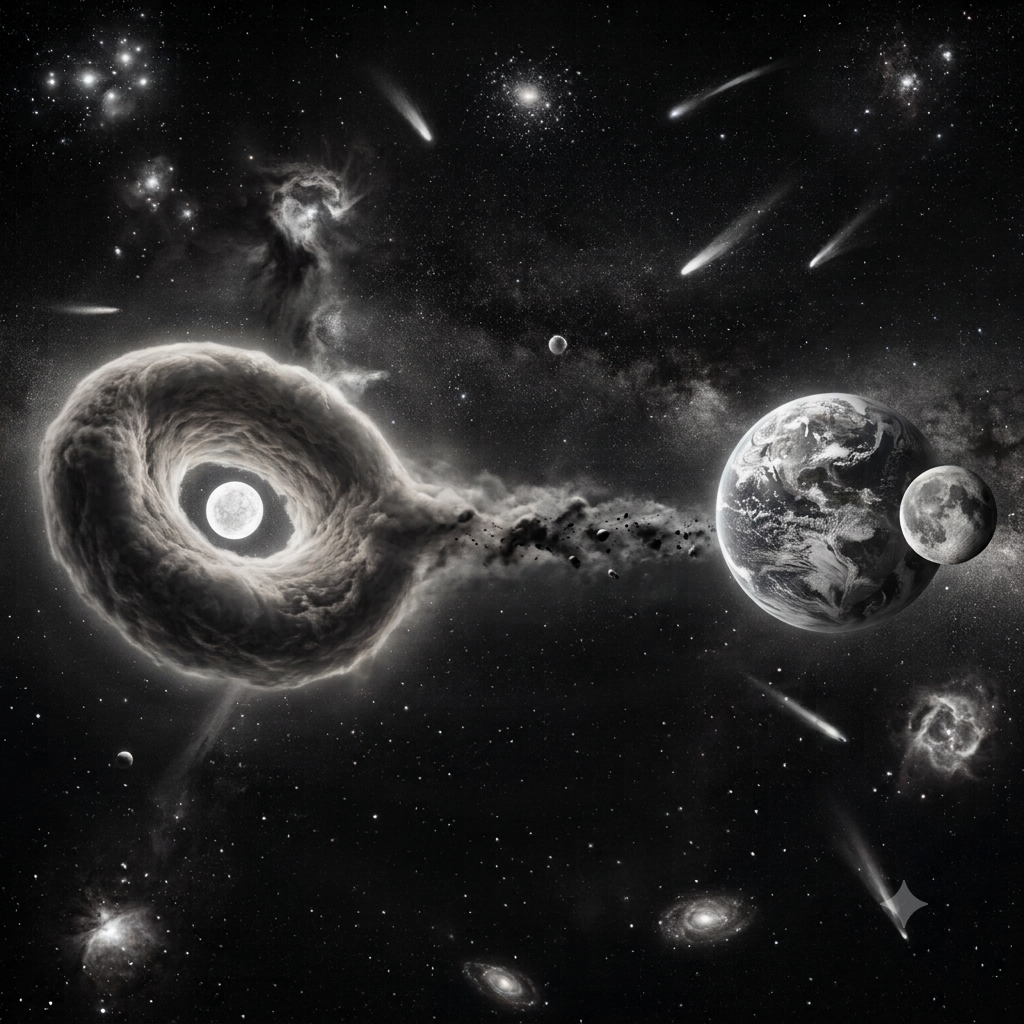
All of this started to form around 4,500,000,000 years ago (right after the Earth and Moon forming event). At this point, the difference in temperature between Earth’s mantle and the atmosphere started to thicken Earth’s outermost solid layer. The Surface became a relatively cool but hardened shell within a few million years, with most mantle heat escaping via volcanism.
As the heated volcanic material rose to the top, it cooled and deposited at the surface. While the planet’s external layer grew thicker and heavier, it eventually began to slowly sink back to the mantle, where it heated and returned to the surface via volcanism.
This thicker surface created pressure on the heated mantle, which in turn made the shell layer discreetly expand. With tidal interactions, collisions with astronomical bodies, and also under the magnetosphere’s influence, the entire planet’s surface started to crack within just 40,000,000 years.
Those enormous chunks of cracked material began to move around on top of the mantle. The heated mantle material rose through the cracks, released heat as it approached the surface, and then sank again, setting up convection currents.
Several convection currents moved around Earth in a process called tectonic plates. Because of their proportions, their structure, dynamics, and components are mostly influenced by gravitational interactions with other astronomical bodies, especially the Sun and the Moon.
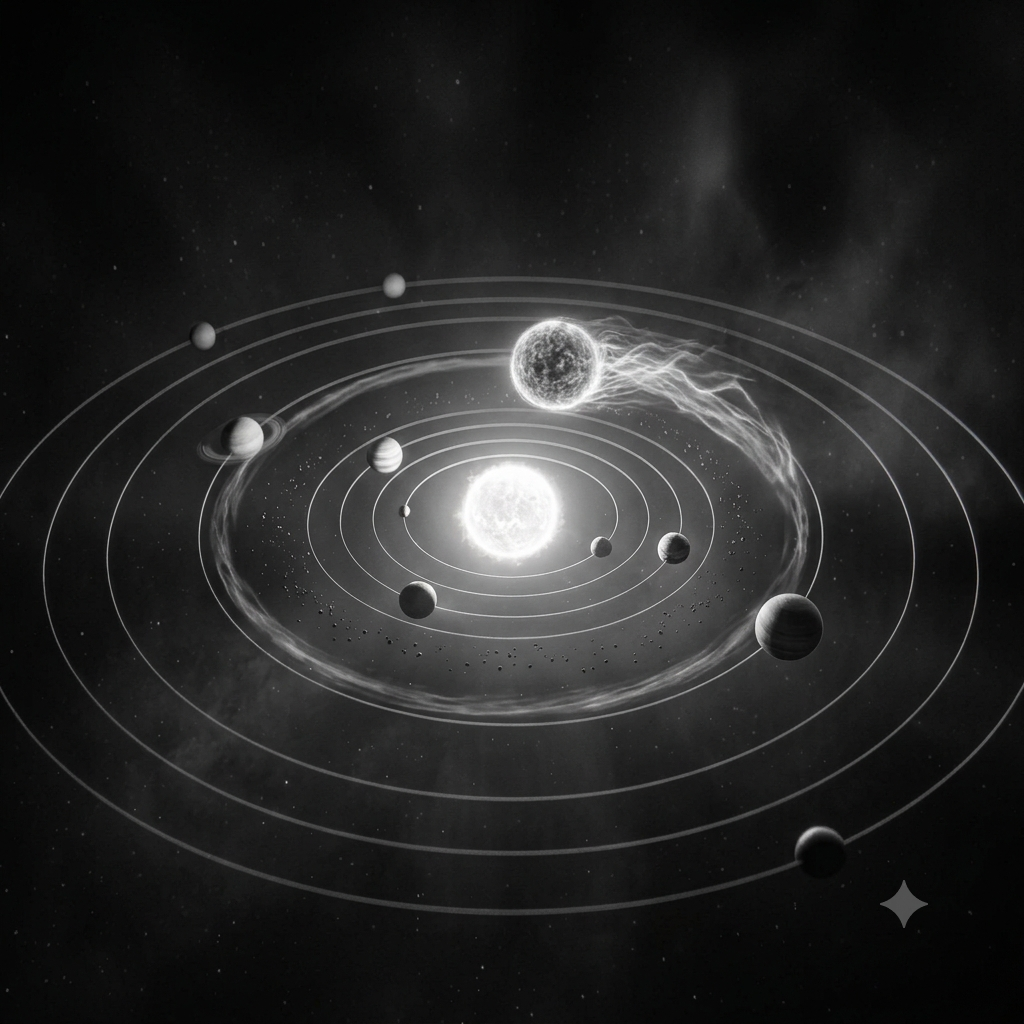
Since Earth’s formation, astronomical bodies—comets, meteorites, and other objects—have clashed with the planet’s Surface. Those bombardments have decreased throughout the years (there is no significant fabrication of solids after the solar system’s formation), but they still hit Earth quite often.
Because some of those impactors were massive, leaving huge marks on Earth’s solid crust, it is easy to assume that they must significantly influence the surface’s evolution. However, mineral analyses steadily show that the Earth’s Surface structure, dynamics, and components are far more affected by what happens in Earth’s internal layers.
This same engine that has been going on for billions of years is still running today. Recently, some interesting studies have shed light on the ongoing Earth Surface dynamics.
One study focused on a 100 km region of the Southeast Indian Ridge, where an event released around 160 million cubic meters of lava onto the sea floor and shifted two sections of the oceanic crust apart by at least 2 meters in a matter of days. As the existing crust is pulled away from the ridge by the movement of tectonic plates, new crust is produced by magma that wells up from Earth’s core and solidifies.
The other study revealed that eastern Africa is closer to splitting apart than previously thought. The Turkana Rift Zone in Kenya, a critical segment of the East African Rift System, is undergoing a process called “necking” (a stage in continental breakup). High-resolution seismic data show that the crystalline crust beneath the rift has thinned to about 13 km along the rift axis, revealing an active rift undergoing crustal necking. The identification of necking in the East African Rift System indicates that eastern Africa is primed for continental breakup – what was once a molten crack is now a continent in the process of becoming two.
Curiously, despite all evidence, it is more mainstream science that everything that affects Earth’s Surface—the crust, the atmosphere, and the biosphere—comes from outer space (from the “sky”), with popular narratives often emphasizing asteroid impacts or solar radiation as the primary shapers of Earth’s Surface.
It is still challenging for humans to recognize that the atmosphere, biosphere, and crust are byproducts of planetary interactions, rather than causes in themselves.
It is important to highlight that what makes planet Earth’s Surface so remarkable is not its thickness, but its thinness. It is not its permanence, but its dynamism. It is not its stability, but its relentlessness.
The evidence that Earth’s Surface is dynamic, fragile, and constantly changing is not a matter of opinion. Empirical evidence is not a political statement, and it does not need to be believed to be true. It is data.
And yet, the acknowledgment of these facts (and what they mean for the human relationship with the planet) remains entangled in political debate.
The question is not whether to believe it. The question is what to do with it.
Whether to act on the evidence, or to protect the Surface that sustains all life, is not a matter of choice – it is a matter of necessity.
The Surface does not care about human politics. It will continue to crack, to spread, to build new crust, to change its atmosphere, to tear continents apart. The only question is whether humans will recognize what is happening in time to respond.