
Narratives
A sanctuary for the curious mind. Resignifying the spaces, designs, and histories we take for granted.
Featuring articles, essays, and publications in the Reading Room.

Designing Digital Reading for Cognitive Integrity
For twenty years, the tech industry has told us that digital reading is “liberating.” But as we move between our phones, tablets, and laptops, we’ve ignored a frustrating reality: the digital page is a shape-shifter that sabotages our concentration….. Read More
-
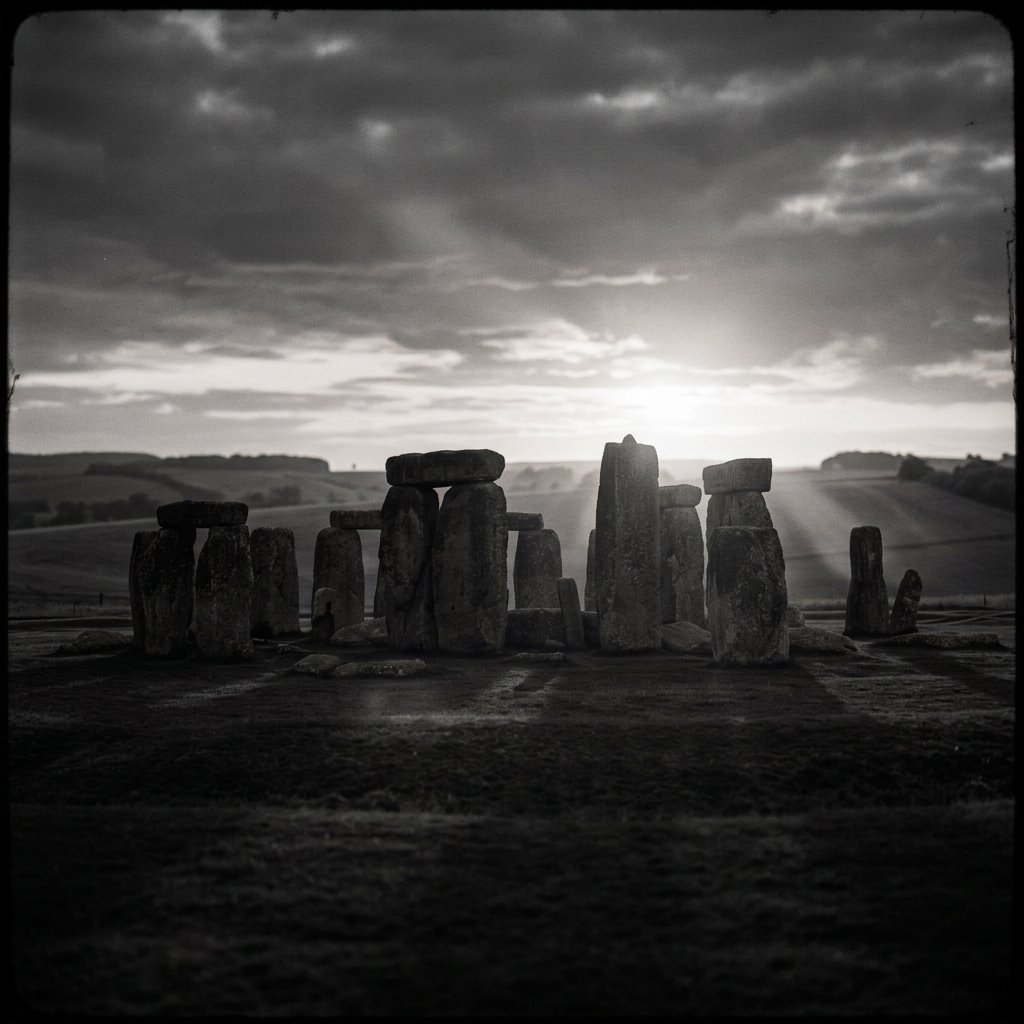
How Time Tracking Literally Gave Birth To Architecture
According to empirical evidence, the origins of architecture lay in structures not built to keep out the rain, but rather to remind us what time it was.
-

The Real Origins of Patriarchy Might Explain Why it Feels so Unnatural
What if patriarchy isn’t human nature, but instead a habit copied from other animal species over a relatively short period in our evolutionary history?
-
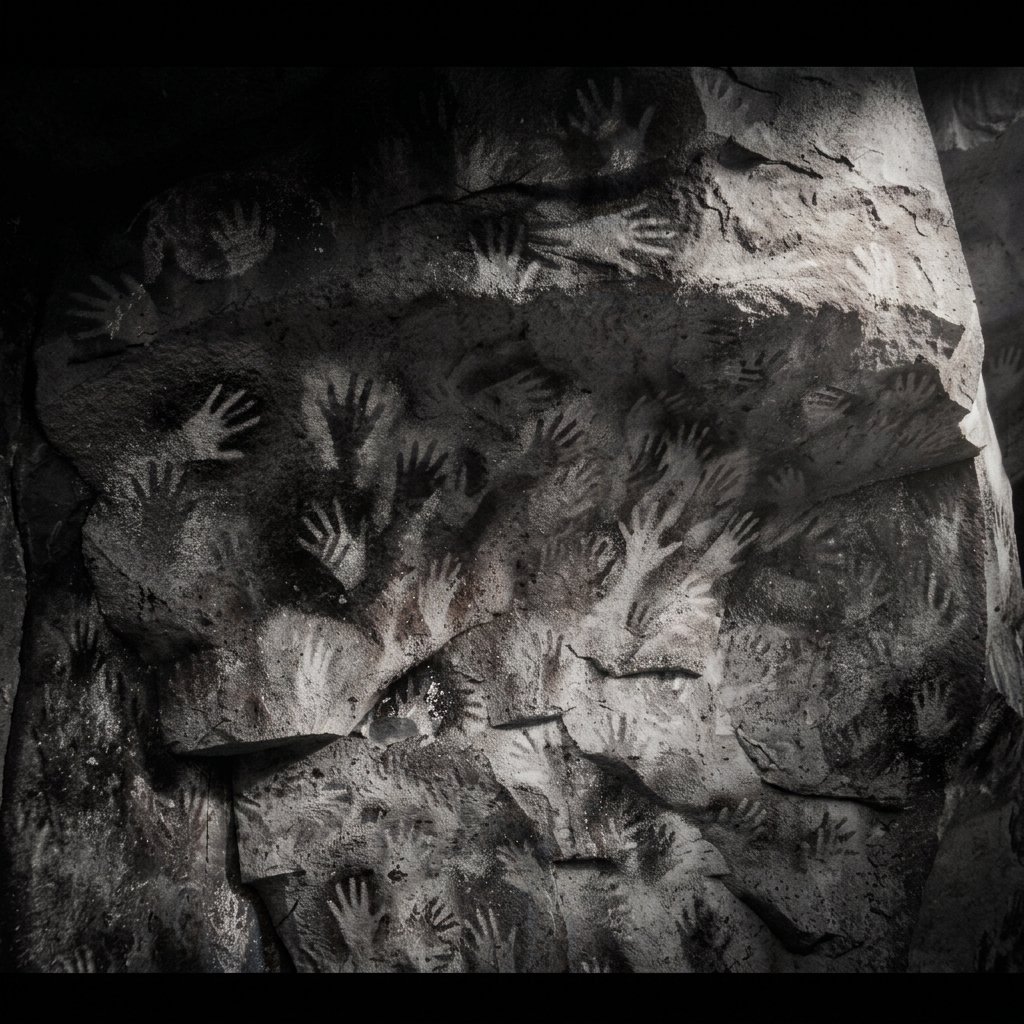
What actually makes humans human?
Many believe that intelligence, tool use, and consciousness define humanity. However, a closer look at the animal kingdom reveals that many creatures also innovate, solve complex problems, use tools, and have awareness. Curiously, a feature (spotted in the fossil record) is what actually distinguishes humans from all other species.
-
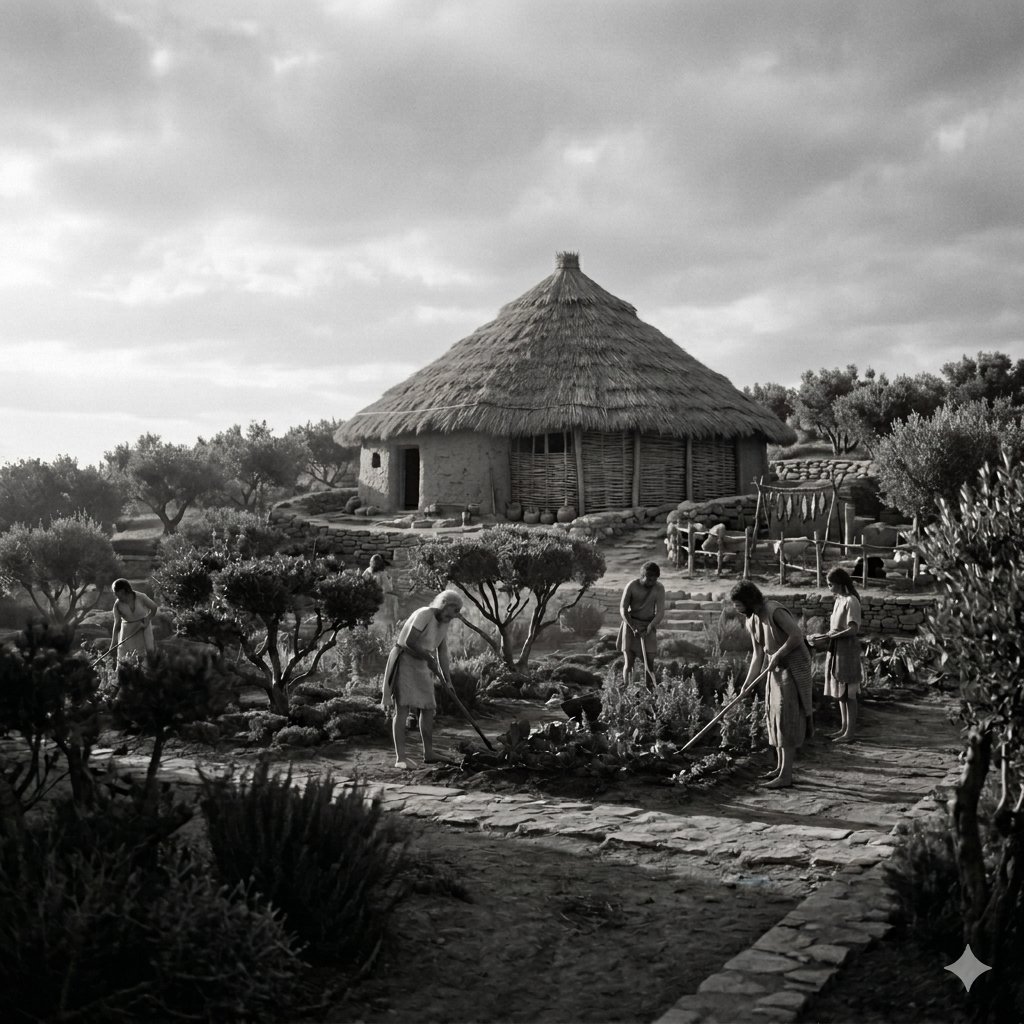
The Farming Myth: Reclaiming Humans’ 3-Million-Year-Old History
Contemporary cultures worldwide tend to view farming as a fundamental aspect of human progress – a sudden, 10,000-year-old shift in the human evolutionary journey that dragged us from a chaotic, hand-to-mouth existence as “hunter-gatherers” into the enlightened era of modern agricultural industry. It is an appealing narrative. Yet, empirical evidence tells a different story.
-

The Architecture of Territory: Aligning City Planning with Biological Movement
All living organisms navigate their surroundings using a natural pattern to explore and expand their territories. In contrast, modern humans have designed their own environment with artificial, rigid grids. Given our understanding of how organisms behave, can contemporary cities integrate natural navigation, unlocking a truly dynamic urban design?
-

What Biology and Apes Can Reveal About Human Social Organization
How do humans actually organize themselves socially across the globe? As vastly different as various human cultures may seem on the surface, stepping back to view humanity through the lens of biology – and comparing patterns directly with extant apes – can reveal striking, counterintuitive insights about our own species.
-

About Fossils and Species
How does fossilization actually work? What do fossilized remains really tell us? A critical look at paleontology and the gap between the fossil record and the realities of biology.
-

Adaptation Is Not Random
How environmental conditions shape genes, species, and the entire history of life on Earth
-

Explosions are not Creation
A new study about massive cosmic collisions in the Solar System can expose a myth about Life.
-

What Pangea Actually Meant for Life
There is a great misconception that Pangea was just a gathering of continents in a faraway past, a frivolous curiosity with almost no consequences. In reality, Pangea completely shaped Life as we know it on Earth’s surface, including us – humans.
-

What Life Actually Is
Read this if you want to sound smart, precise, and cold, in your next philosophical rambling.
-

Planet Earth Is Thin
How Earth’s Surface formed, how humans can still watch it happening, and why it is important to set the record straight.
-

Water Is Not That Clear
What water reveals about human knowledge – and its limits
-

The Moon is way more than just a stopover
A billion-year partnership, a frivolous assumption, and what humans risk losing in the new space race.
-

The Solar System Ghost
A Moon-to-Mars-sized astronomical body once existed in our solar system. It’s gone now—but it left an important call to action.
-

Why Black Holes Matter
How little red dots are pushing empirical science to the vanguard of intellectual thought
-

Overcoming Book Design to Save the Reading Experience
Maybe it is not more willpower that is needed to read more books. By exploring the history and context of book design, it is possible to decode the path to enhancing the reading experience.